
מְדִינוֹת רְוָוחָה
Social Welfare States
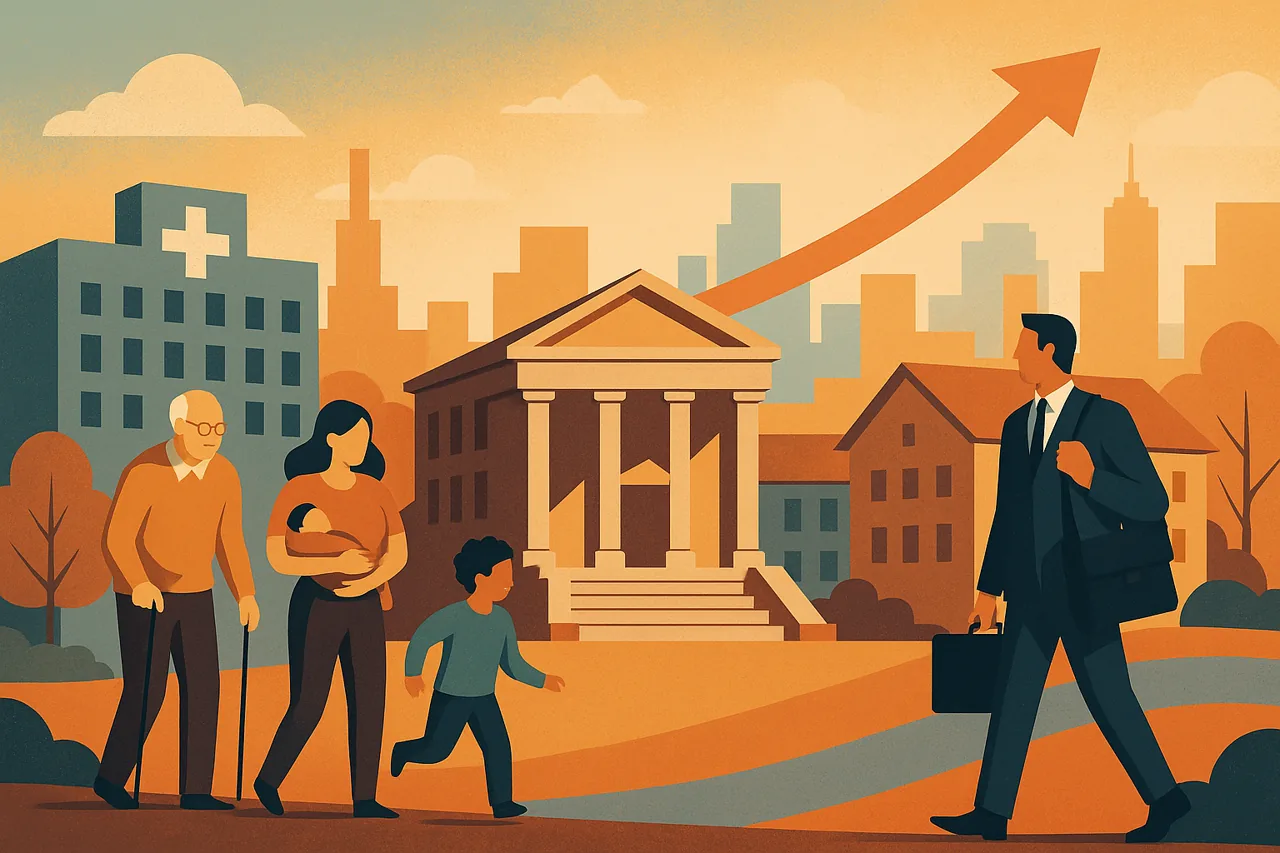
הַרְעָיוֹן שֶׁל מְדִינוֹת רְוָוחָה מְעוֹרֵר וִכּוּחַ עָמֹק בְּתוֹךְ הַפִּילוֹסוֹפְיָה הַפּוֹלִיטִית וְהַכַּלְכָּלָה הַחֶבְרָתִית.
The idea of welfare states sparks a deep debate within political philosophy and social economics.
מְדִינַת רְוָוחָה מְגֻדֶּרֶת כְּזֹאת הַמַּקְצָאָה מִקּוֹרָה רַבִּים לְהַבְטִיחַ רֶשֶׁת בִּטָּחוֹן לָאֶזְרָחִים: קִצְבָּאוֹת לְחֹלִים וּלְמֻבְטָלִים, תִּמְכוּךְ בַּחִנּוּךְ וּבִשְׁרוּתֵי בְּרִיאוּת, וּמַעֲרָכוֹת מִס שֶׁמְּשַׁמְּשׁוֹת כְּכְלֵי חֲלוּקָה מְחֻדָּשִׁים שֶׁל הַעֲשָׁרָה לְעוּמַּת עֲנִיּוּת.
A welfare state is defined as one that allocates many resources to guarantee a safety net for its citizens: allowances for the sick and unemployed, support in education and healthcare, and tax systems that serve as redistributive tools balancing wealth and poverty.
מִתְנַגְּדֵי הַמְּדִינָה הַסּוֹצְיָאל־דֵּמוֹקְרָטִית טוֹעֲנִים כִּי הִיא מְעוֹדֶדֶת תְּלוּת וּמְצַמְצֶמֶת אֶת הַדַּחַף לַחֲדָשָׁנוּת וְלִיְזָמוּת פְּרָטִית.
Opponents of the social-democratic state argue that it encourages dependency and diminishes the drive for innovation and private initiative.
מִנֶּגֶד, תּוֹמְכִים מַדְגִּישִׁים שֶׁהַמַּעֲרֶכֶת מְבַטֵּאת אַחֲרָיוּת חֶבְרָתִית וּמוֹנַעַת מִן הַחֶבְרָה לְהִתְפָּרֵק לִמְעוֹרָבוֹת שֶׁל מְעוֹטִים חֲסֵרֵי כֹּל מוּל אֲצֻלָּה מִעוּטִית שֶׁל עֲשִׁירִים.
Conversely, supporters emphasize that the system expresses social responsibility and prevents society from collapsing into extremes of powerless minorities facing a small elite of the wealthy.
בְּיִשְׂרָאֵל, לְמָשָׁל, נִצְפָּה דֶּגֶם הִיבְּרִידִי: מְעָרָכוֹת רְוָוחָה מוּסְדוֹת כְּמוֹ בִּטּוּחַ לְאֻמִּי וּמַעֲרֶכֶת בְּרִיאוּת צִבּוּרִית, אֲבָל גַּם מִידָּה גְּדוֹלָה שֶׁל תְּלוּת בְּתוֹרָמוֹת פְּרָטִיּוֹת וּבְשׁוּק חָפְשִׁי.
In Israel, for example, a hybrid model is observed: established welfare systems such as National Insurance and a public healthcare system, but also a significant reliance on private donations and the free market.
הַדִּיאֲלֶקְטִיקָה הַזֹּאת מַעֲמִידָה בַּחֲזִית שְׁאֵלוֹת נוֹקוֹבוֹת עַל מָהוּת הַחֶבְרָה הַמּוֹדֶרְנִית: עַד אֵיזֶה גְּבוּל הַמְּדִינָה חַיֶּבֶת לָשֵׂאת בְּאַחֲרָיוּת, וּמָה חָל עַל כָּל אֶחָד מֵאִתָּנוּ כְּיָחִיד?
This dialectic places at the forefront pressing questions about the essence of modern society: to what extent must the state bear responsibility, and what rests upon each of us as individuals?
הַדִּיוּן עַל מְדִינוֹת רְוָוחָה מַרְאָה לֹא רַק עַל מַעֲרָכוֹת כַּלְכָּלִיּוֹת, אֶלָּא גַּם עַל אֵידֵאוֹלוֹגְיָה עֲמוּקָה: הַאִם אֲנַחְנוּ מְחֻיָּבִים לְחֶבְרָה שֶׁכֻּלָּהּ עוֹזֶרֶת לַחֲלוּשִׁים, אוֹ שֶׁהַדֶּגֶם הָרָאוּי הוּא חֵרוּת מְרַבִּית, גַּם בִּמְחִיר הַזְנָחָה שֶׁל הַפָּחוֹת מֻצְלָחִים?
The discussion about welfare states reflects not only economic structures, but also a profound ideology: are we committed to a society that wholly supports the vulnerable, or is the preferable model one of maximal freedom, even at the cost of neglecting the less successful?